


Zimbabwe Inflation Falls Below 10% for First Time Since 1997
TLDR
- Zimbabwe achieves milestone with annual inflation rate dropping below 10% for the first time since 1997, attributed to tighter monetary policy and efforts to support new currency with gold reserves.
- IMF approves 10-month program to keep inflation in single digits in 2026, thanks to improved terms of trade boosting export earnings.
- Despite progress, past hyperinflation history in Zimbabwe necessitates policy consistency for maintaining investor trust and long-term credibility.
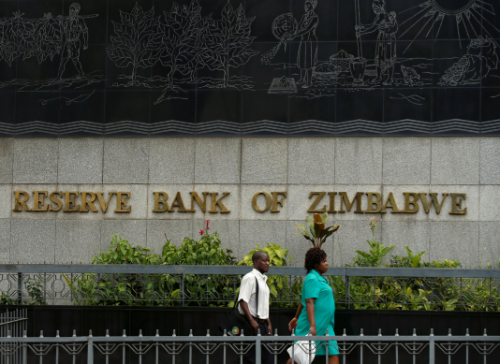
Zimbabwe’s annual inflation rate has dropped below 10% for the first time since 1997, marking a milestone for an economy long defined by hyperinflation. Local-currency inflation eased to 4.1% last month from 15% in December. Authorities attribute the slowdown to tighter monetary policy, restrained fiscal spending and efforts to back the new ZiG currency with gold and foreign reserves.
The International Monetary Fund approved a 10-month staff-monitored program earlier this month. The lender said inflation in 2026 is expected to remain in single digits, supported by tight monetary conditions and a more stable foreign-exchange market.
Improved terms of trade have also helped. Lower oil prices reduced import costs, while higher gold and platinum prices boosted export earnings and reserves.
Zimbabwe introduced the ZiG, short for Zimbabwe Gold, as the latest attempt to anchor a local currency after years of dollarization.
Businesses say conditions have improved compared with the hyperinflation peak in 2008, when prices doubled rapidly and the Zimbabwe dollar collapsed.
Key Takeaways
Zimbabwe’s inflation history shapes current skepticism. In 2008, hyperinflation rendered the local currency worthless, wiping out savings and pensions. Since then, repeated currency reforms have struggled to build trust. Single-digit inflation would ease investor concerns and could unlock investment in mining. Zimbabwe holds large reserves of lithium and platinum, key inputs in energy transition supply chains. However, durability depends on policy consistency. Past gains have reversed due to fiscal slippage, liquidity growth and exchange-rate instability. Confidence hinges on maintaining tight money supply control and credible reserve backing for the ZiG. The IMF program signals engagement with multilateral institutions, which may support reform credibility. Still, structural risks remain, including high public debt and limited access to external financing. Sustained price stability could anchor expectations and support growth. Failure to protect gains could reignite currency pressure. For policymakers, the challenge is to convert short-term disinflation into long-term credibility.
Think someone else should see this?









To invest in this opportunity and other opportunities across Africa
Download the daba finance app on your mobile through

Take action.

Download app

Partner with us
Unlock exciting business opportunities and growth potential.
Join Daba
Become a part of our vibrant community and enjoy exclusive benefits.
Contact us
Reach out to us for inquiries, support, or collaboration.