


Zipline Plans Nigeria Expansion to Reach 100M People
TLDR
- Zipline plans to build 12 additional distribution centers in Nigeria to expand beyond health-tech pilots.
- The expansion aims to connect up to 20,000 health facilities and serve nearly 100 million Nigerians with faster access to medical supplies.
- Supported by partnerships with the Nigerian Federal Ministry of Health and the U.S. government, Zipline's model reduces stockouts by centralizing health products for on-demand delivery.
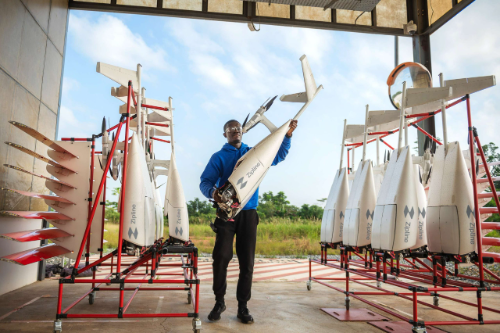
Zipline plans to build 12 more distribution centres in Nigeria as the drone logistics company seeks to expand from health-tech pilots into national medical supply infrastructure, per a TechCabal report.
The California-based company currently operates 3 hubs in Kaduna, Cross River and Bayelsa, serving more than 1,300 health facilities and about 6 million people. Anthonio Pinheiro, Zipline’s Nigeria country director, said the company wants to grow to 15 facilities nationwide by 2028.
The expansion is expected to connect up to 20,000 health facilities and give nearly 100 million Nigerians faster access to vaccines, blood, anti-venom, malaria drugs and other medical supplies. Zipline first entered Nigeria in 2022 and has so far expanded through state-level partnerships.
Pinheiro said the company now wants to move toward a federal-scale model that can make it easier for states to plug into a national autonomous delivery network. The plan is supported by a partnership involving Nigeria’s Federal Ministry of Health and the U.S. government, which has backed Zipline’s African expansion through a grant program across 5 countries.
Zipline says its model reduces stockouts by storing health products in central hubs and delivering them on demand. The company said its Kaduna and Cross River facilities are solar-powered, reducing diesel use and helping operations continue despite Nigeria’s weak power grid. Pinheiro said the company could later expand into agriculture, animal health, e-commerce and wider logistics once the infrastructure is in place.
Key Takeaways
Zipline’s Nigeria plan shows how drone delivery is moving from pilot projects to infrastructure. Nigeria’s health system has long struggled with last-mile supply problems, especially in rural and riverine communities where roads, storage, power and inventory systems are weak. A hospital may have staff and patients but still lack vaccines, blood, anti-venom or basic medicines at the moment they are needed. Zipline’s model tries to solve that by centralising stock and delivering on demand within minutes. That can reduce waste, cut storage costs and improve emergency care. The larger opportunity is data. If Zipline connects 20,000 health facilities, it can help track demand, stockouts and supply flows across the system. But scaling will be hard. Drone operations need aviation approvals, security clearance, reliable energy, trained staff, health ministry coordination and trust from local communities. Nigeria’s drone rules also remain strict because of national security concerns. If Zipline can work through those barriers, it could become part of the country’s health infrastructure, not just a delivery company.
Think someone else should see this?









To invest in this opportunity and other opportunities across Africa
Download the daba finance app on your mobile through

Take action.

Download app

Partner with us
Unlock exciting business opportunities and growth potential.
Join Daba
Become a part of our vibrant community and enjoy exclusive benefits.
Contact us
Reach out to us for inquiries, support, or collaboration.